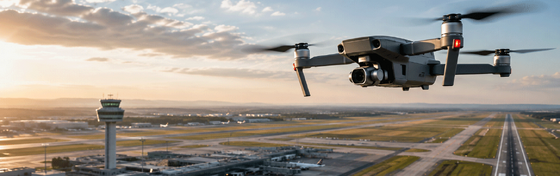
Anyone tasked with producing aerial footage for a story knows the drill: the best possible location happens to sit right inside the control zone of a commercial airport, and that's when the paperwork begins. As of August 6, a new set of rules applies here, and the news is mostly good: for a large share of typical ENG drone assignments, individual clearance is no longer required. In exchange, you now need to be able to do the math, and you should be aware that this liberalization comes with a downside.
While the industry is still debating the ALEXA 35 Live's Eurovision debut, ARRI dropped another strategic bombshell today. The Munich-based company is selling its global rental business in Europe, the UK, and North America to British investor H2 Equity Partners. Illumination Dynamics stays with ARRI and is excluded from the transaction. The deal is structured as a management buyout, led by the existing UK rental leadership team of Dana Harrison, Russell Allen, and Tamim Essaji. No financial details were disclosed.
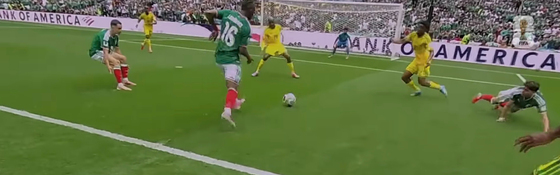
At the World Cup kickoff last Thursday, June 11, the moment had arrived: Brazilian referee Wilton Sampaio wore a camera on his head, and millions saw football from the official's perspective for the first time at a World Cup. What looks like a nice bit of fun for viewers is, technically and professionally speaking, a minor sensation, and the backstory is more German than most people realize. Time for a closer look.
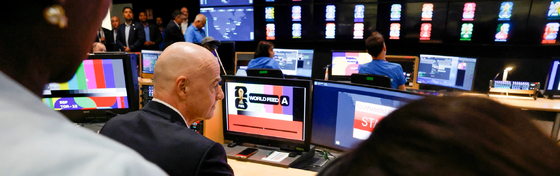
Tomorrow the ball starts rolling, and while the rest of the country argues over squad announcements and kickoff times, we're looking at what really interests us: how do you actually produce 104 matches across 16 stadiums, spread over three countries and four time zones, without the crews spending more time on planes than behind the viewfinder? The answers from FIFA and Host Broadcast Services (HBS) are partly predictable, partly remarkable, and in one respect quite instructive for everything coming to the ENG world after this World Cup.
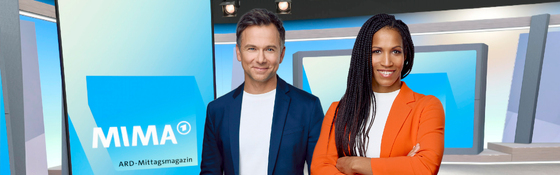
It's been just two and a half years since MDR celebrated its big coup. In January 2024, the ARD Midday Magazine (Mittagsmagazin) moved from RBB in Berlin to Leipzig, broadcasting first from a virtual set and shortly afterward from real decor in Studio 1 of MDR's headquarters in Leipzig, which it still shares today with "MDR um Vier" following further renovation work. With the takeover, the broadcast time was extended from one hour to two. MDR specifically built a new joint editorial team, "Tagesmagazine und Dialog," and Tino Böttcher and Mariama Jamanka became the new faces of a format that had made "nationwide visibility for East German everyday realities" its mission. Now, in May 2026, it's clear: MDR will hand the "MiMa" back as early as the first half of 2027. As DWDL.de first reported, handover planning with NDR is already underway internally, and staff in Leipzig were informed on Thursday.